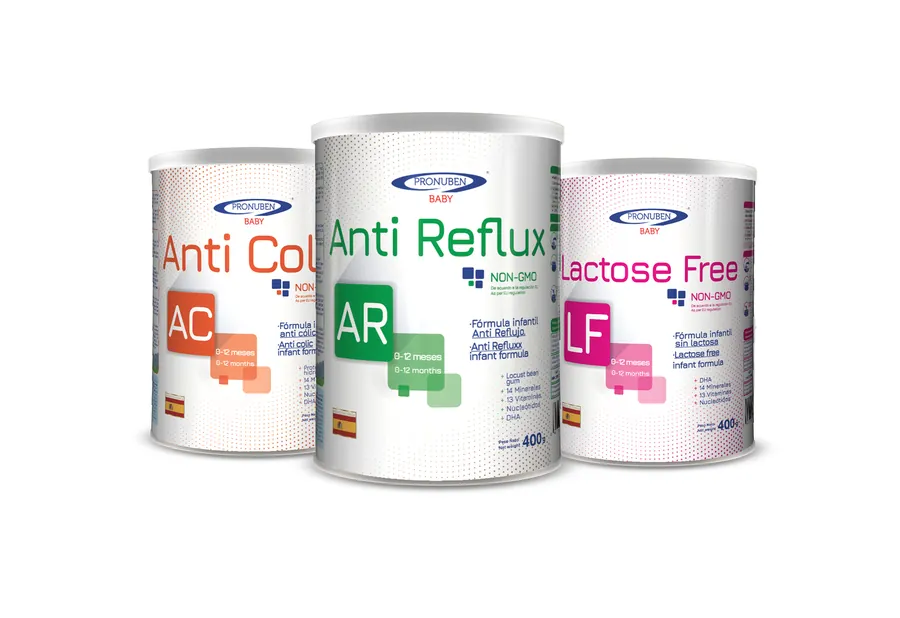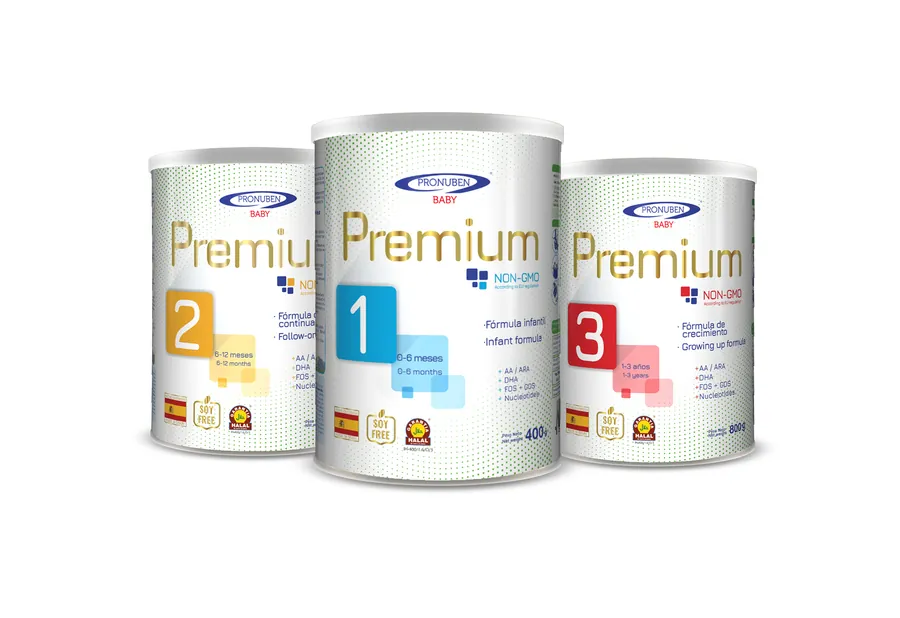


One regulation, built on science
In the European Union, infant formula and follow-on formula are governed by Regulation (EU) No 609/2013 and by Commission Delegated Regulation (EU) 2016/127, which applies since 22 February 2020. Its compositional requirements are based on the scientific opinion of the European Food Safety Authority (EFSA) on the essential composition of infant formula.
What it requires
- Precise composition: minimum and maximum levels for energy, protein, fats, carbohydrates, vitamins and minerals.
- Near-zero pesticide residues: no more than 0.01 mg/kg per active substance, a limit the regulation itself describes as set on the precautionary principle.
- Strict labelling: a statement on the superiority of breastfeeding, and no nutrition or health claims on infant formula.
- New ingredients only after safety assessment: novel ingredients such as HMOs need an EFSA opinion and an EU authorisation.
Why it matters outside Europe
Many countries base their own rules on the Codex Alimentarius standard for infant formula, and many regulators in the Middle East, Asia, Africa and Latin America treat European compliance as a strong reference when assessing a product. For an importer, a European formula simplifies conversations with ministries of health, paediatricians and pharmacy chains.
The Pronuben Baby standard
For us, regulation is the starting point, not the finish line:
- European milk as the base of our formulas.
- Production under ISO 9001, FSSC 22000 and IFS Food, with ENAC-accredited analysis and Halal, HACCP and GMP.
- Composition, labelling and language adapted to the rules of each destination market.
The same quality systems apply wherever the tin is sold: Europe, the Middle East, Asia, Africa or Latin America. Learn more on our manufacture and quality page.